

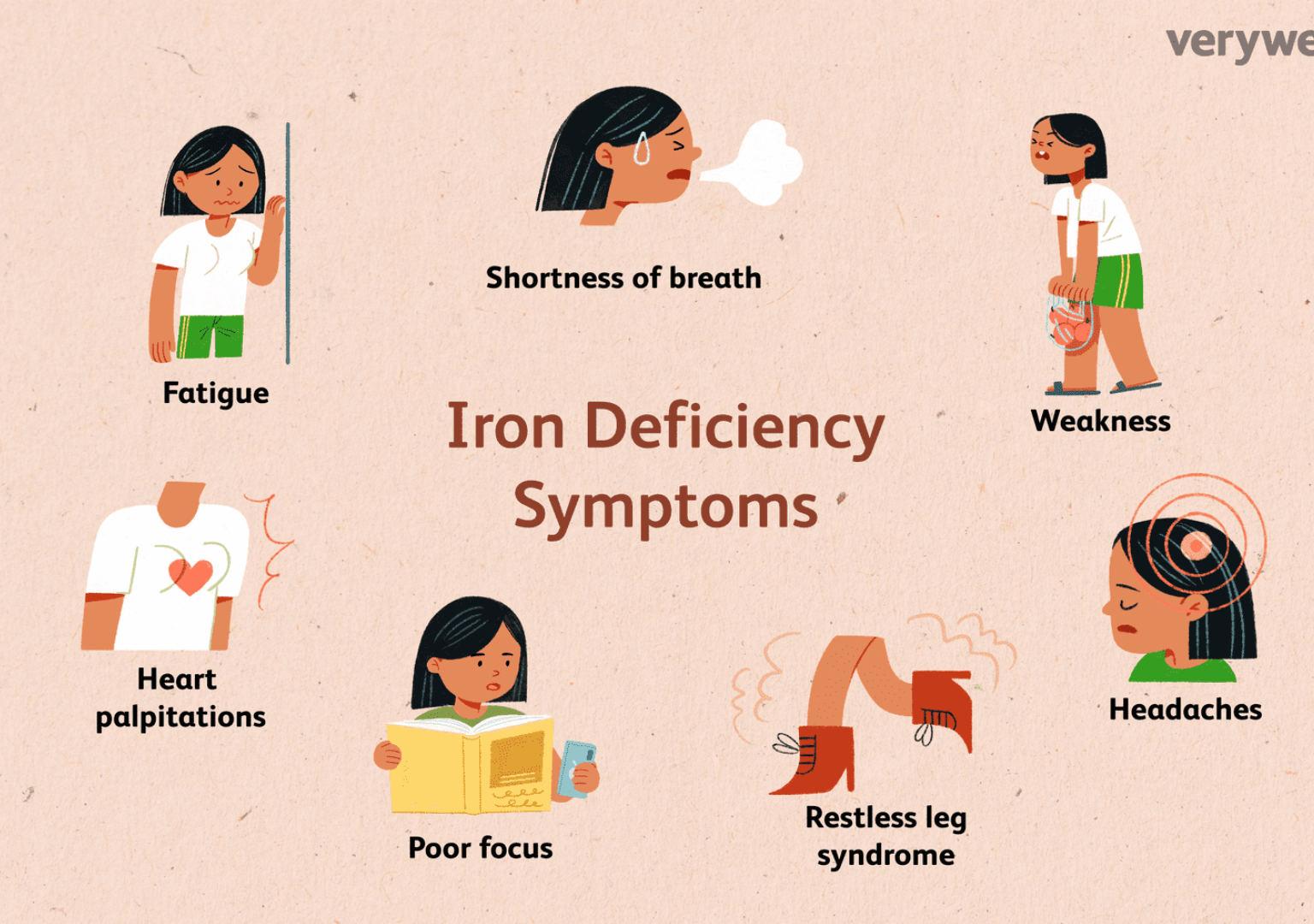
Do you often feel tired and exhausted? Do you experience shortness of breath or a rapid heartbeat? Are you noticing increased hair loss? These could all be signs of iron deficiency.
Iron deficiency is the most common nutritional deficiency worldwide, affecting millions of people, especially women and children.
Why Is Iron Important?
Iron is an essential mineral that helps your body produce hemoglobin, a protein found in red blood cells that carries oxygen throughout the body. Without enough iron:
- Cells do not receive sufficient oxygen
- Energy production decreases
- The immune system becomes weaker
- Brain function can be affected
Causes of Iron Deficiency
Iron deficiency can occur for several reasons, including:
- Insufficient intake of iron-rich foods
- Poor iron absorption due to low Vitamin C intake or excessive use of antacids
- Blood loss from heavy menstrual periods, ulcers, or internal bleeding
- Pregnancy, when the body’s iron requirements increase
- Vegetarian or vegan diets, as non-heme iron is less easily absorbed
- Intense physical exercise, common among athletes
- Digestive disorders such as Celiac Disease or Crohn’s Disease
Symptoms of Iron Deficiency
Early Symptoms
- Fatigue and weakness
- Pale skin
- Cold hands and feet
Advanced Symptoms
- Shortness of breath
- Rapid heartbeat
- Brittle nails and hair loss
- Pica (cravings for non-food items such as dirt, chalk, or ice)
- Restless legs syndrome
- Frequent infections
- Poor concentration and brain fog
If you experience these symptoms, it is important to consult a healthcare professional and consider blood tests such as a Complete Blood Count (CBC) and ferritin test.
Daily Iron Requirements
- Adult men: 8 mg per day
- Adult women (ages 19–50): 18 mg per day
- Pregnant women: 27 mg per day
- Breastfeeding women: 9 mg per day
- Children (ages 4–8): 10 mg per day
Best Iron-Rich Foods
Heme Iron (Animal Sources – Better Absorbed)
- Beef liver (one of the richest sources of iron)
- Red meat
- Chicken and turkey
- Oysters and clams
- Sardines and tuna
Non-Heme Iron (Plant Sources)
- Spinach and leafy greens
- Lentils and beans
- Tofu
- Pumpkin seeds
- Iron-fortified cereals
- Dark chocolate
Tip: Eating iron-rich foods together with Vitamin C-rich foods such as lemons, oranges, or other citrus fruits can increase iron absorption by two to three times.
Iron Supplements: When and Which Ones?
If dietary changes are not enough or a healthcare provider confirms iron deficiency, supplements may be recommended.
Common Types of Iron Supplements
- Ferrous Sulfate: The most common and affordable option, though it may cause constipation.
- Ferrous Gluconate: Gentler on the stomach and often better tolerated.
- Ferrous Bisglycinate: Highly absorbable with fewer digestive side effects.
- Iron with Vitamin C: Helps maximize iron absorption.
Recommended Dosage
Iron supplementation typically ranges from 60–200 mg of elemental iron per day, depending on the severity of deficiency and medical advice.
Iron is generally absorbed best on an empty stomach, but if it causes nausea or stomach discomfort, it can be taken with food.
What to Avoid When Taking Iron
To improve absorption, avoid taking iron supplements together with:
- Calcium supplements or dairy products
- Antacids
- Coffee or tea
- High-fiber foods at the same time as the supplement
- Zinc supplements taken simultaneously


