

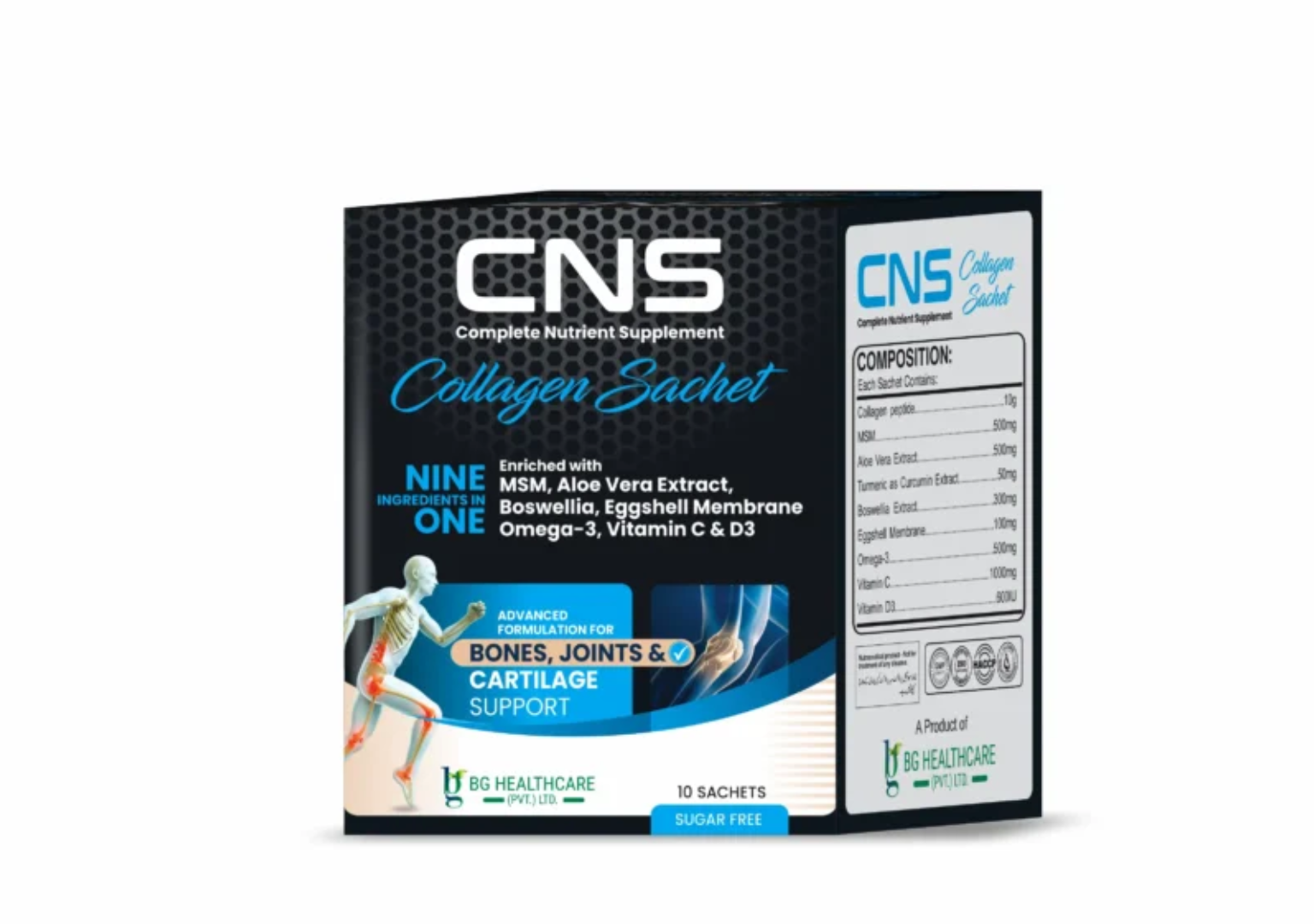
Have you ever wondered what the secret is behind celebrities’ glowing skin and flexible joints? The answer is collagen! It is the most abundant protein in the human body and provides structure to our skin, bones, joints, and muscles. As we age, collagen production naturally declines, leading to wrinkles, joint discomfort, and hair thinning.
What Is Collagen?
Collagen is a structural protein that makes up approximately 30% of the body’s total protein content. It acts like a natural “glue,” holding together the skin, bones, muscles, tendons, and ligaments. While the body produces collagen naturally, production begins to slow down after the age of 25 and declines significantly after 40.
Types of Collagen
Type I
The most common type of collagen, found in the skin, bones, and tendons. It helps maintain skin elasticity and strength.
Type II
Primarily found in cartilage and is essential for joint health and mobility.
Type III
Found in muscles, blood vessels, and organs. It supports youthful-looking skin and healthy tissues.
Type V and Type X
These types play important roles in bone formation and cartilage development.
Tip: When choosing a supplement, look for hydrolyzed collagen peptides, as they are easier for the body to absorb.
Benefits of Collagen
1. Glowing and Firmer Skin
Collagen helps improve skin elasticity and hydration, reducing the appearance of wrinkles and promoting firmer, healthier-looking skin.
2. Joint Pain Relief
Type II collagen supports cartilage health and may help reduce discomfort associated with joint wear and conditions such as arthritis.
3. Stronger Bones
Collagen provides structure and density to bones, helping maintain bone strength and potentially reducing the risk of osteoporosis.
4. Healthier Hair and Nails
Collagen may contribute to stronger, thicker hair and help prevent brittle nails.
5. Better Gut Health
Collagen supports the integrity of the intestinal lining and may help promote digestive health.
6. Muscle Recovery and Maintenance
Types I and III collagen can support muscle recovery and help maintain lean muscle mass, especially when combined with regular exercise.
Natural Food Sources of Collagen
- Bone broth – One of the richest natural sources of collagen
- Chicken skin and turkey
- Fish and shellfish
- Egg whites
- Citrus fruits – Rich in Vitamin C, which supports collagen production
- Berries, tomatoes, and leafy greens
- Garlic – Contains sulfur, which helps support collagen synthesis
How to Take Collagen Supplements
A daily intake of 10–15 grams of collagen peptides is commonly recommended. You can easily add collagen to your diet by mixing it into:
- Morning coffee or tea
- Smoothies
- Soups
- Oatmeal
Taking collagen along with Vitamin C may enhance collagen production and effectiveness. For noticeable results, consistency is key—use it regularly for at least 8–12 weeks.


