

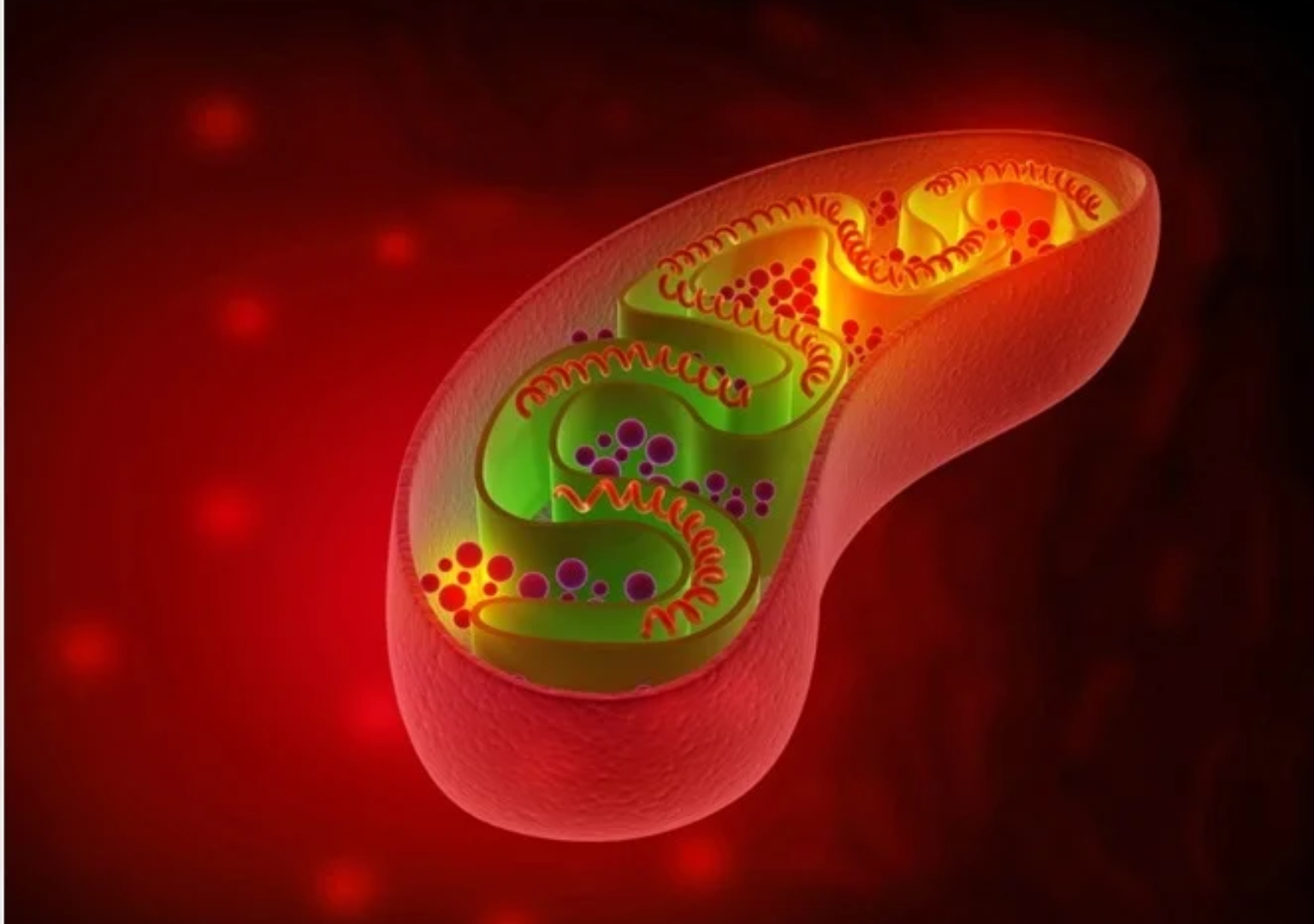
In today’s fast-paced world, fatigue and heart-related health issues have become increasingly common. Fortunately, nature has provided us with a remarkable compound that helps keep our hearts strong and our bodies energized—Coenzyme Q10 (CoQ10). This naturally occurring substance is found in every cell of the body and plays a crucial role in energy production.
What Is CoQ10?
Coenzyme Q10 (CoQ10), also known as Ubiquinone, is a fat-soluble antioxidant naturally produced by the body. It is found in the mitochondria—the “powerhouses” of our cells—where it helps generate adenosine triphosphate (ATP), the body’s primary source of energy.
As we age, natural CoQ10 levels begin to decline. Certain medications, particularly statins, can also reduce CoQ10 levels, making supplementation beneficial for many people.
Benefits of CoQ10
1. Supports Heart Health
CoQ10 provides energy to the heart muscle, helping it function efficiently. It may also help regulate blood pressure and support overall cardiovascular health. Studies have shown that CoQ10 supplementation can improve symptoms and quality of life in people with heart failure.
2. Boosts Energy and Stamina
Because CoQ10 is directly involved in cellular energy production, it may help reduce fatigue, improve endurance, and support physical performance. Athletes and active individuals often use CoQ10 to enhance exercise capacity and recovery.
3. Powerful Antioxidant Protection
CoQ10 helps neutralize harmful free radicals that can damage cells and accelerate aging. Its antioxidant properties may reduce oxidative stress and lower the risk of chronic diseases.
4. Supports Brain Health
By protecting brain cells from oxidative damage, CoQ10 may contribute to cognitive health and potentially help reduce the risk of age-related neurological conditions such as Alzheimer’s and Parkinson’s disease.
5. May Help with Diabetes Management
Research suggests that CoQ10 may support healthy blood sugar levels and improve insulin sensitivity, making it a valuable supplement for individuals managing diabetes or metabolic health concerns.
Natural Food Sources of CoQ10
Although the body produces CoQ10 naturally, it can also be obtained from certain foods, including:
- Fatty fish such as salmon and sardines
- Organ meats, including liver and kidney
- Beef and chicken
- Nuts and seeds, especially peanuts
- Spinach, broccoli, and cauliflower
- Soybean oil
However, the amount of CoQ10 found in food is relatively low, which is why many people choose supplements for therapeutic benefits.
Recommended Dosage
For General Health
100–200 mg per day
For Heart Health or Individuals Taking Statins
200–400 mg per day
CoQ10 supplements are available in two primary forms:
- Ubiquinone – The standard and most common form.
- Ubiquinol – The active form that is more easily absorbed, especially beneficial for adults over 40.
Because CoQ10 is fat-soluble, it is best taken with a meal containing healthy fats to improve absorption.
Always consult a healthcare professional before starting supplementation, especially if you have a medical condition or take prescription medications.
Who Should Consider Taking CoQ10?
CoQ10 may be particularly beneficial for:
- People taking statin medications
- Individuals with heart disease or high blood pressure
- Adults over the age of 40
- Those experiencing chronic fatigue
- Athletes and fitness enthusiasts
- Individuals interested in healthy aging and skin support
Side Effects and Precautions
CoQ10 is generally considered safe and well-tolerated. However, some people may experience mild side effects, including:
- Nausea
- Stomach discomfort
- Digestive upset
- Insomnia (especially when taken late in the day)
People taking blood-thinning medications such as warfarin should consult their doctor before using CoQ10, as it may affect medication effectiveness. Pregnant and breastfeeding women should also seek medical advice before supplementation.


